Consolidate distributed backup environments into one cloud-hosted restore platform

Many organisations operate legacy backup and restore environments across multiple data centres, countries and business units.

Each location may have its own backup application, media servers, tape libraries, catalogues, storage systems and offsite tape collections. Even after production workloads have moved or a data centre has closed, the backup environment often remains because historical data must still be recoverable.

Tape Ark helps organisations retire these distributed backup locations without abandoning the data they contain.

We consolidate retained backups, catalogues and recovery capabilities into a secure, cloud-hosted restore platform—replacing multiple ageing backup environments with one managed service.

Many backup locations. One global archive. One place to restore.

When the Workloads Move but the Backups Remain

Data centres are routinely consolidated, outsourced, relocated or moved to the cloud. However, legacy backup environments are often left behind.

A global organisation may have separate backup infrastructure in ten or more locations, each supporting historical recovery for systems that no longer operate there.

Keeping these environments alive can require:

  • Backup servers and media servers
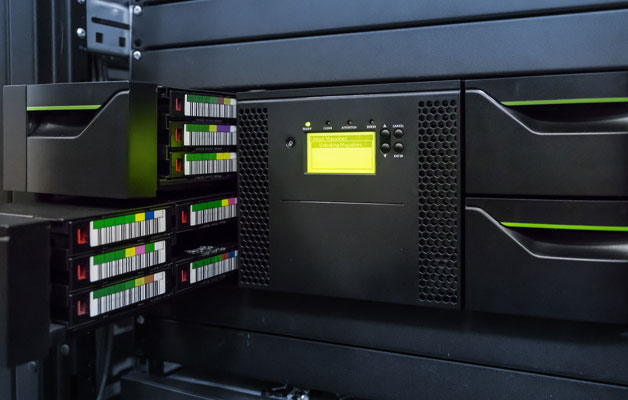
  • Tape libraries and standalone drives
  • Disk-based backup appliances
  • Legacy operating systems
  • Backup application licences
  • Local infrastructure and network connections
  • Hardware maintenance and support
  • Offsite tape-storage contracts
  • Specialist knowledge at each location
  • Data-centre floor space, power and cooling

The environment may perform very few restores, yet the organisation remains unable to retire it because nobody can confidently confirm what data is held there or how it would be recovered.

Tape Ark provides a controlled path from distributed infrastructure to centralised cloud recovery.

Replace Eleven Restore Environments with One

Instead of maintaining separate backup platforms across multiple regions, Tape Ark can consolidate the retained data into a single cloud-hosted archive and restore environment.

The physical data centres can close. The tape libraries, servers and appliances can be retired. Historical data remains available through one managed recovery service.

Distributed backup estate Consolidated cloud restore platform
Multiple international locations One centrally managed environment
Different systems and processes Standardised recovery workflow
Ageing servers and tape libraries Cloud-hosted restore capability
Local catalogues and knowledge Central archive inventory
Separate support contracts Managed service
Limited global visibility Unified reporting
Infrastructure maintained continuously Restore resources activated when required

The objective is not to preserve every legacy system forever. It is to preserve the organisation’s ability to recover the information.

A Managed Path to Backup-Site Retirement

1. Discover

Tape Ark assesses each backup location and builds a consolidated view of the global estate.

Discovery can include:

  • Backup applications and versions
  • Media servers and operating systems
  • Tape libraries and drive types
  • Disk and appliance-based backup storage
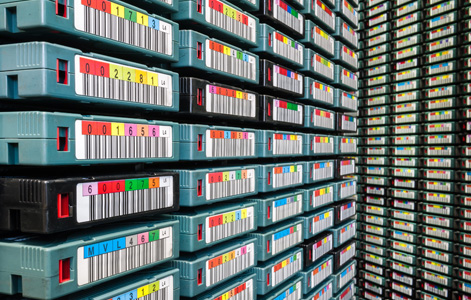
  • Physical and virtual tape collections
  • Backup catalogues and configuration data
  • Retention policies
  • Offsite storage vendors
  • Data volumes and media counts
  • Historical restore activity
  • Data-centre closure deadlines
  • Regulatory and geographic restrictions

This identifies which environments must remain active temporarily, which can be virtualised and which data can be expired or archived.

2. Reconcile

Backup estates accumulate inconsistencies over time.

Tapes may appear in an application catalogue but not in the physical inventory. Other tapes may exist in storage without a matching catalogue record. Media may have moved between locations, vendors or countries.

Tape Ark reconciles the available sources to establish:

  • What media exists
  • Where each item is located
  • Which backup platform created it
  • What retention applies
  • Which media may contain recoverable data
  • What can be securely disposed of
  • Which catalogues or systems must be preserved

This reduces the risk of closing a location while required data remains unidentified.

3. Preserve the Recovery Context

The data alone may not be enough.

Backup catalogues, application configurations, encryption details, media mappings and recovery procedures can all be essential to future restoration.

Tape Ark captures and preserves the available recovery context before infrastructure is shut down. Depending on the platform and customer requirements, this can include:

  • Backup application catalogues
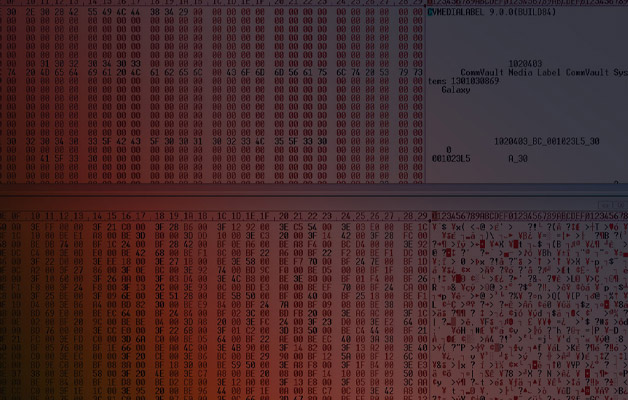
  • Media and volume databases
  • Configuration information
  • Retention and expiry records
  • Server and application dependencies
  • Encryption-key requirements
  • Restore procedures
  • Test-restore results
  • Original site and system metadata

The goal is to retain the information required to understand and recover the archive—not simply move unidentified backup objects into cloud storage.

4. Migrate and Virtualise

Approved backup data is migrated from tape, disk, appliances or existing cloud storage into the customer’s nominated cloud environment.

Tape Ark can process data from platforms including:

  • Dell NetWorker and PowerProtect
  • Veritas NetBackup
  • IBM Spectrum Protect and TSM
  • Commvault
  • Veeam
  • LTFS
  • TAR and other file-based archives
  • Additional legacy backup formats subject to assessment

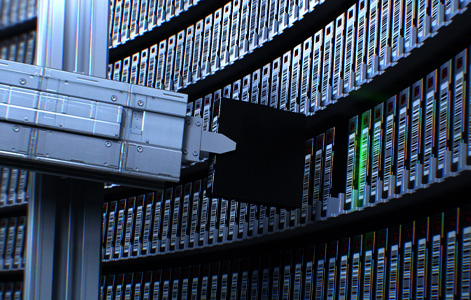
Where appropriate, tapes can be virtualised in the cloud, allowing the retained backup environment to access them without preserving the original physical tape library.

Other data can be liberated into open or application-appropriate formats and managed as an independent archive.


5. Validate

A backup location is not retired until the required data and recovery capability have been validated.

Testing can include:

  • Tape and media readability
  • Catalogue integrity
  • Cloud-object validation
  • File and volume reconciliation
  • Checksum verification
  • Test restores
  • Application-level recovery testing
  • Destination confirmation
  • Exception reporting

Validation provides evidence that the retained information remains recoverable before the original infrastructure is decommissioned.

6. Decommission

Once migration and recovery testing are approved, the legacy location can move through a controlled retirement process.

This may include:

  • Shutting down backup servers
  • Removing tape libraries and drives
  • Cancelling software support
  • Closing offsite storage accounts
  • Returning leased equipment
  • Sanitising or destroying hardware
  • Disposing of expired tapes
  • Preserving required project records
  • Updating disaster-recovery procedures

Tape Ark can coordinate media withdrawal, transportation, processing and destruction across multiple countries and storage vendors.

One Cloud-Hosted Restore Platform

The consolidated environment provides one controlled point for future recovery.

Rather than maintaining hardware and licences at every former data centre, the organisation can use a cloud-hosted restore platform designed around low-frequency access.

The platform can include:

  • Central archive inventory
  • Searchable media and backup metadata
  • Cloud-hosted backup applications
  • Virtual tape drives and libraries
  • Retained application catalogues
  • On-demand restore infrastructure
  • Role-based access
  • Approval workflows
  • Recovery tracking
  • Audit history
  • Customer-specified cloud storage
  • Delivery to cloud or on-premises destinations

Restore resources can remain minimal when not in use and be activated or scaled when a recovery is required.

Managed Through Tape Ark Nexus

Tape Ark Nexus provides the SaaS management layer across the consolidated archive.

Nexus gives authorised users visibility of retained media and recovery requests without requiring them to access multiple legacy systems.

Capabilities can include:

  • Global archive inventory
  • Search by site, system, media or metadata
  • Retention-policy management
  • Legal-hold visibility
  • Controlled restore requests
  • Approval and escalation workflows
  • Chain-of-custody records
  • Restore status tracking
  • Disposition management
  • Audit and compliance reporting

The original backup locations can disappear while the archive remains visible, governed and recoverable.

Reduce Cost and Operational Risk

Retiring distributed backup locations can reduce:

  • Data-centre space, power and cooling
  • Hardware maintenance
  • Tape-library support
  • Backup application licensing
  • Offsite tape-storage charges
  • Appliance refresh requirements
  • Specialist administration
  • Local operational dependencies
  • Security exposure from ageing systems
  • Emergency migration risk

It also removes the need to keep an entire data centre footprint alive for the possibility of an occasional historical restore.

Who Is This Service For?

Multi-Site Backup Retirement is designed for organisations that:

  • Operate backup infrastructure across multiple data centres
  • Are closing or consolidating international locations
  • Have inherited different backup platforms through acquisition
  • Must retain historical backups after workloads have moved
  • Depend on ageing tape libraries or backup appliances
  • Have limited knowledge of legacy environments
  • Need to reduce data-centre and storage costs
  • Want one governed global restore service
  • Must prove recoverability before decommissioning systems

It is particularly relevant to global enterprises, government, healthcare, financial services, energy, manufacturing and organisations with long retention obligations.

Start with a Multi-Site Backup Assessment

Tape Ark can assess the global backup estate and define a safe path to consolidation.

The assessment can include:

  • Location and infrastructure inventory
  • Backup application and media analysis
  • Catalogue and retention review
  • Physical tape reconciliation
  • Cloud target architecture
  • Migration and virtualisation options
  • Restore-platform design
  • Validation and test-restore plan
  • Decommissioning sequence
  • Risk and exception register
  • Indicative schedule and pricing
  • Potential operating-cost reductions

Retire the Locations—Not the Ability to Restore

Your organisation should not need to maintain eleven backup environments simply because historical data might one day be required.

Tape Ark can consolidate the data, preserve the recovery context and provide one secure, cloud-hosted platform for future restores.

Close the data centres. Retire the devices. Keep the data recoverable.

Speak to our team: https://www.tapeark.com/contact/


Benefits of Our Service

Secure data restore

Competitive cost efficiencies

Enhanced data utility

Streamlined compliance

Cloud agnostic

Efficient storage tiering

Modernize legacy systems

Solutions

Tape Ark prides itself on its technical capability. Customers feel assured their objectives and unique challenges are well understood – what’s important to them, where they’re headed, and the opportunities that lie ahead.

Make An Inquiry

The Maverick Mindset
Knowledge is power – but only if the knowledge is accessible. To move forward we must look back, understand the data we have and start thinking about how to utilize it – that is a big data frame of mind.

A Welcome to Country

Tape Ark was founded and proudly grown from an Australian based company to an international success.

Tape Ark acknowledges the Traditional Custodians of Country throughout Australia and recognise their continuing connection to land, sea and community. We pay our respects to their Elders past, present and future, and extend that respect to all Aboriginal and Torres Strait Islander peoples today.

Need help getting started?
Contact Tape Ark

Tape to cloud migration
Frequently Asked Questions

Customer success stories
Hear from customers

The Tape Ark team
Meet the team

Cloud partners
See our cloud partners

Request a quote
Contact us here

Follow Us