









The Public Sector generates one of the largest and most diverse volumes of information in the world.
This material spans not only generations but also geographies and includes census data, taxation records, public health, court, and criminal records to archival and data of historical significance. In many cases, it is more than ‘just data’; it is a valuable national asset.
Tape Ark recognizes the importance of Public Sector data management to worldwide government agencies. Every day, agencies and government departments must access archival data for Freedom of Information requests or backups for cross-department sharing to deliver services, inform public policy, and much more.
Due to the significant size and complex nature of this information, a modern approach is necessary to gain rapid and unfettered access. Otherwise, this data is at risk of being lost and inaccessible forever.
Tape Ark’s solutions cater specifically to all public sector levels, from federal to local municipalities. We work to provide fully or partially restored datasets and sensitive archives, backups, or active data to the cloud so it can be integrated into modern-day applications and systems, addressing compliance and regulatory requirements efficiently.
Migrating such data to secure clouds allows greater accessibility and cost-effective retention while at the same time limiting the potential risk of data loss.
Tape Ark is committed to doing data justice. We have solutions for rapid and secure data ingest to maximize value and utility for today, tomorrow, and beyond. You can read up on one of our current projects here.
Unlocking Decades of Government and Citizen Data for Better Services, Compliance, and Policy Outcomes
Public sector organisations are custodians of some of the most critical and sensitive data in the world. From citizen records and national archives to defence systems, healthcare data, and regulatory information, government agencies generate and retain vast amounts of information over decades.
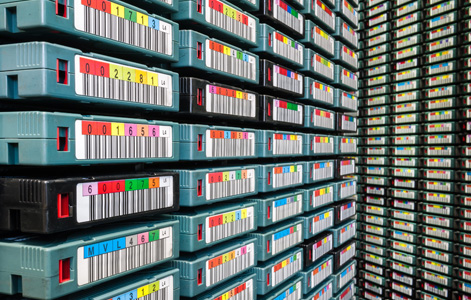
This data underpins essential services, informs policy decisions, and ensures transparency and accountability. However, much of it remains locked away on legacy tape systems—making it difficult to access, slow to retrieve, and costly to maintain.
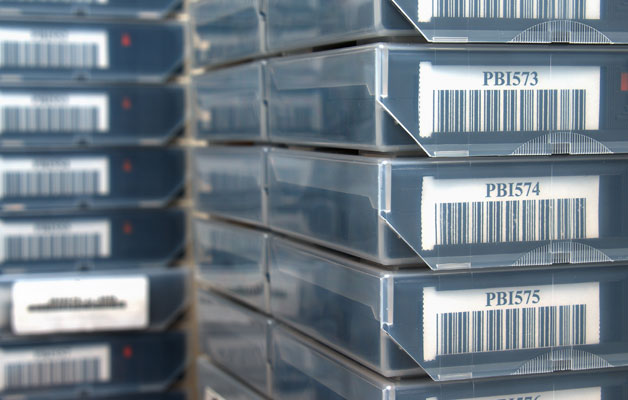
Across federal, state, and local government agencies, tape archives often span multiple departments, jurisdictions, and decades. These environments were originally designed for long-term storage, not for rapid access or integration with modern digital systems.
As governments accelerate digital transformation initiatives, the inability to access historical data is becoming a major constraint. Data that could support policy modelling, improve citizen services, or respond to audits is often inaccessible or requires significant time and effort to retrieve.
Tape Ark® enables public sector organisations to unlock this data at scale—transforming legacy tape archives into secure, cloud-accessible, and AI-ready datasets.
With over 8 million tapes processed globally, Tape Ark has supported governments and large institutions in migrating petabyte-scale archives while maintaining strict compliance, security, and data integrity requirements.
The Challenge: Legacy Tape Limits Access, Increases Risk, and Slows Government Response
Public sector tape environments present a unique set of challenges driven by scale, complexity, and regulatory requirements.
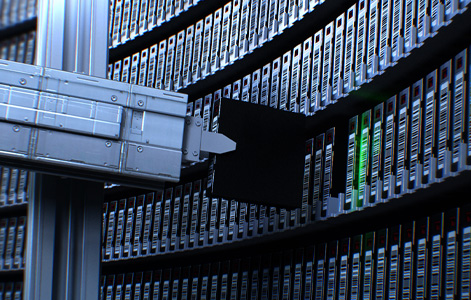
One of the most significant challenges is accessibility. Retrieving data from tape is often a manual and time-consuming process, particularly when archives are distributed across multiple facilities or managed by different departments. In many cases, it can take days or weeks to locate and restore required data.
This delay directly impacts government responsiveness. Whether responding to Freedom of Information (FOI) requests, legal inquiries, or internal audits, agencies need fast, reliable access to historical records.
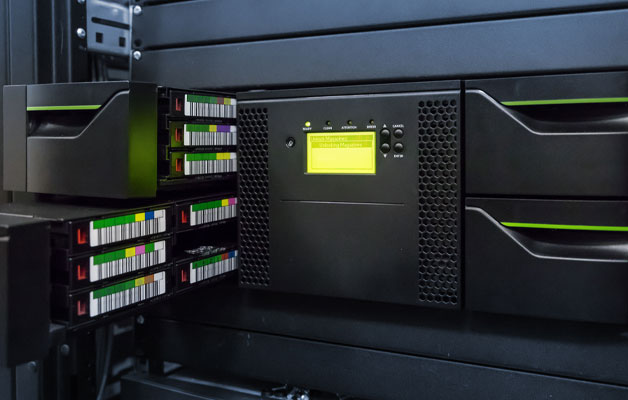
Infrastructure risk is another growing concern. Tape libraries and associated hardware are often approaching end-of-life, with limited availability of replacement parts and skilled personnel to maintain them. This creates operational risk for critical systems and data.
Data fragmentation further complicates the landscape. Citizen records, health data, regulatory information, and archival materials are often stored in different formats and systems, making it difficult to build a unified view or apply modern analytics.
There is also an increasing focus on data governance and compliance. Governments must ensure that data is secure, auditable, and retained in accordance with regulatory requirements. Legacy tape systems make it difficult to meet these expectations efficiently.
At the same time, there is a growing expectation that governments will leverage data to improve services and outcomes. AI, analytics, and digital services all depend on access to large, high-quality datasets—yet much of this data remains locked away on tape.
The result is a significant gap between the data governments have and the value they are able to extract from it.